Lumanto Caravan & Hunts Idle Guide
Keep waves fighting in-app and fill hunt chests while the client is closed.
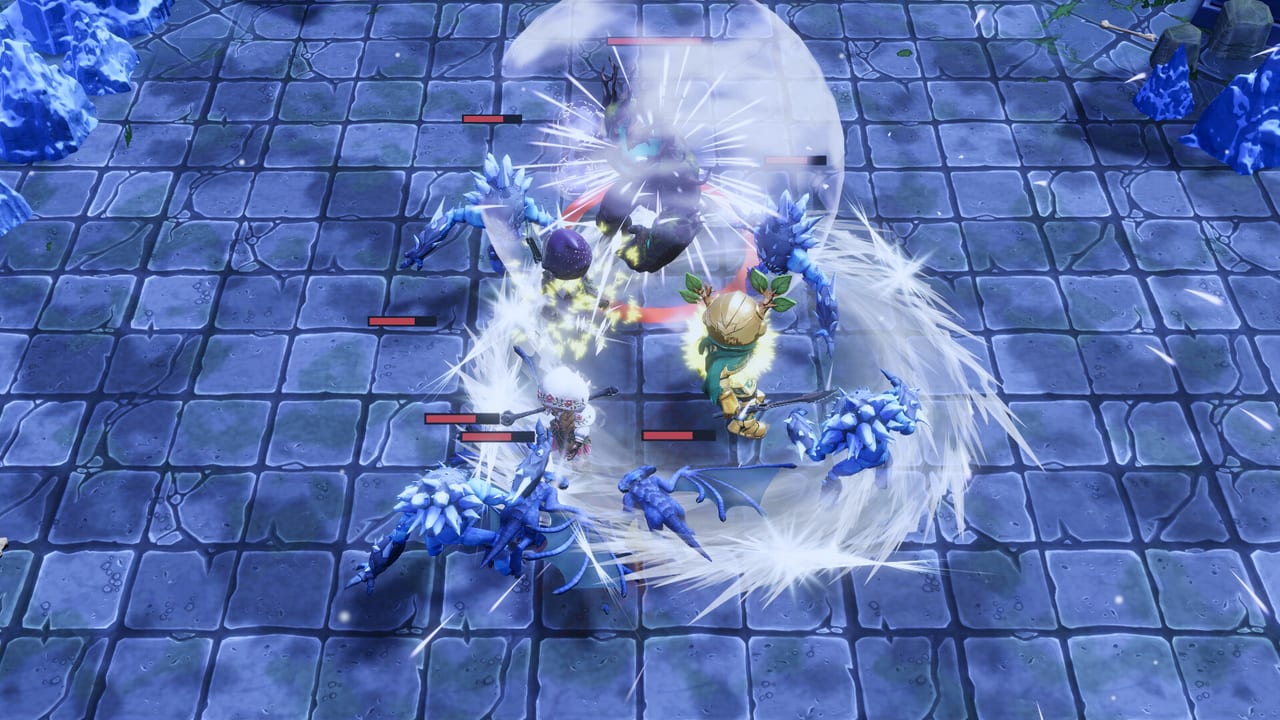
The caravan is Lumanto’s core “play on your own” loop: your hero fights wave after wave in the Steam app, and if you leave the game open the fighting continues. Hunts are the offline twin—assign a trio, bank up to twelve hours of time, and let chests fill while the client is closed. Together they form the idle backbone of the Brazilian-inspired forest MMO. This guide deep-dives both systems, how seals unlock area bosses across thirty grounds and six regions, and how to schedule sessions around seasons without inventing unstated drop rates.
New players should finish Getting Started first, then return here. For hero identity while you idle, cross-read Seven Heroes and Heroes Tier List. For a hunts-only deep dive, open Hunts & Seals. Talent identity lives in Talent Tree; trading tips in Lúmen Market. Gear upgrades that power caravan clears live in Gear & Workshop Guide. Social caravans that merge up to six streams are covered in Join Live Streams.
How the caravan works
In the app there is always a caravan on the road. Your hero fights alone, wave after wave. No streamer is required. Practical rules of thumb:
- Leave it open when you want continuous fighting. Closing the client stops this in-app wave loop; that is what hunts are for.
- Build for autonomy. Talent tree choices, gear grades (Common through Nebular across ten slots), gems, and creature partners all reduce how often you need to babysit waves.
- Match pressure to power. Pushing a region you cannot sustain wastes time; stable clears feed materials into the Workshop and notebook.
Caravan progress is server-backed like the rest of Lumanto. Always-online is required—unstable connections interrupt the loop you are trying to automate.
Hunts: trio, time bank, chests
Hunts let a trio keep working with the game closed. Time banks into a bag that holds up to twelve hours. While you are away, chests fill. When you return, claim, reset assignments if needed, and spend seals.
Hunting grounds and regions
There are thirty hunting grounds across six regions. Each ground has its own arena, monsters, and area boss. Plan unlocks as a ladder:
- Clear the current ground reliably with your trio.
- Earn hunt seals from kills.
- Spend a seal to start the area boss fight.
- Win to open the next area.
Do not burn seals on bosses your trio cannot beat. A failed boss attempt costs the seal opportunity without unlocking the next ground. If you are soft-stuck, improve gear in the Workshop, swap a hero role, or bring stronger tamed creatures—see Creature Taming Guide.
Scheduling the twelve-hour bank
Think in real-life blocks:
- Before work or sleep, top up the bank toward the twelve-hour cap.
- After long absences, empty chests first, then reassign the trio so idle time is not wasted on a ground you have outgrown.
- During short breaks, check seals and whether an area boss is ready.
Hunts and caravan are complementary: caravan for open-app waves, hunts for closed-app hours. Ignoring either halves your idle coverage.
Seals, bosses, and region pacing
Seals are the gate keys between grounds. Treat them as progression tokens:
- Farm seals on a ground that is fast for your trio, not merely the newest unlocked tag.
- Enter the area boss when gear, talents, and creatures look ready—not the moment the first seal drops.
- After a win, scout the next ground’s monster types and element pressures before locking a long hunt.
Six regions mean long-term goals. You will revisit early grounds when you need specific materials, creature notebook entries, or easier seal farming for a new alt hero. Creatures evolve and fight beside the hero; twelve elements each beat two and lose to two, so region monster mixes matter for matchups—details in the taming guide.
Heroes for idle roles
All seven heroes can idle, but roles color how you feel about unattended clears:
- Guardian — Tanky presence for safer wave pressure.
- Scout — Ranged / marks pressure from distance.
- Arcanist — AoE frost and spirits for packed waves.
- Weaver — Heals that become shields with the right set.
- Summoner — Firefly companions adding extra presence.
- Bard — Slow / stun tools plus speed-oriented powers.
- Duelist — Dodge and counter for skirmish-heavy packs.
For Vigil and Dungeon you will specialize further; for caravan and hunts, prioritize survivability and clear speed so the bank stays efficient. Rankings shift with seasons—consult Heroes Tier List rather than freezing one forever pick.
Seasons, orders, and Stream Colossus
Idle play still sits inside a four-week season: three daily orders, a weekly challenge, a twenty-four-step track, Stream Colossus, and milestone chests. Align idle goals with orders when possible—clearing the ground you already hunt may finish a daily faster than pivoting to a random objective. Stream Colossus ties the social layer to seasonal play; if you stream or join streams, read Join Live Streams so caravan stacks and chat commands are set before the event window.
Workshop feedback loop
Caravan and hunt loot should flow into the Workshop: combine, reroll, break pieces to essence, and fuse gems. Fourteen weapon families and set bonuses create breakpoints where the same ground suddenly becomes free. When chests feel stingy, you may need a grade jump or socket plan more than a new region—see Gear & Workshop Guide. The player market powered by Lúmen can fill gaps, remembering that nothing that makes you stronger is sold as loot-box power.
Vigil vs idle—do not confuse them
Vigil Survival Guide is active survival: you move, powers auto-fire, cards define the night, and no items / gold / XP drop. Do not park Vigil expecting hunt-like rewards. Use Vigil for leaderboard days-survived goals and card skill; use caravan and hunts for account power.
Dungeon beta after idle sessions
When you want a focused fight, Dungeon Beta Guide covers up to five heroes versus a boss with cards, sparks, Ace, and Guard, plus PvP beta with three heroes and a twelve-card deck. Idle gear and creatures still matter—dungeon nights are where you spend the power caravan and hunts built.
Session templates
Short session (15 minutes) — Claim hunt chests, top the time bank, check seals, claim season dailies, leave caravan running.
Medium session (45 minutes) — Attempt an area boss if ready, Workshop a gear upgrade, tame or evolve a creature, optionally one Vigil map for practice.
Long session — Region push, Stream Colossus or multi-stream caravan, dungeon beta attempt, market trades with Lúmen.
Related reading
- Getting Started — first-hour checklist
- Join Live Streams — app joins,
!lumanto, Stream Colossus - Creature Taming — notebook and elements
- Gear & Workshop — grades and craft loop
- Guides Hub — full index
Keep the caravan open when you can, keep the hunt bank full when you cannot, and spend seals only on bosses you can finish. That is the idle spine of Lumanto.
Frequently Asked Questions
Quick answers about Lumanto systems, heroes, and progression.
What is the difference between caravan and hunts?
Caravan is in-app: leave Lumanto open and your hero keeps fighting waves. Hunts use a trio with the game closed, banking up to twelve hours while chests fill.
How do hunt seals work?
Kills earn hunt seals. A seal starts the area boss fight; winning opens the next hunting ground among the thirty grounds across six regions.
Do I need a streamer for caravan progress?
No. Official copy: leave the app open and your hero keeps fighting with no streamer needed. Streams are an optional social mode.
Should I use Vigil to farm gear while idling?
No. Vigil gives no items, gold, or XP. Farm with caravan and hunts; play Vigil for survival score and map leaderboards.
How do seasons affect idle play?
Four-week seasons add three daily orders, a weekly challenge, a twenty-four-step track, Stream Colossus, and milestone chests—claim orders while you manage hunts.